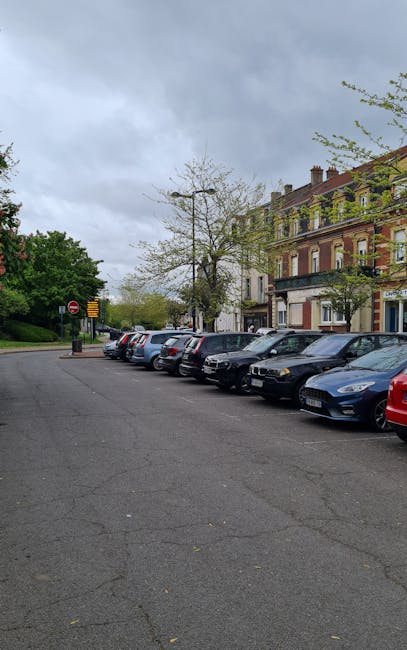
Kingston Council parking rules for Chessington removals guide
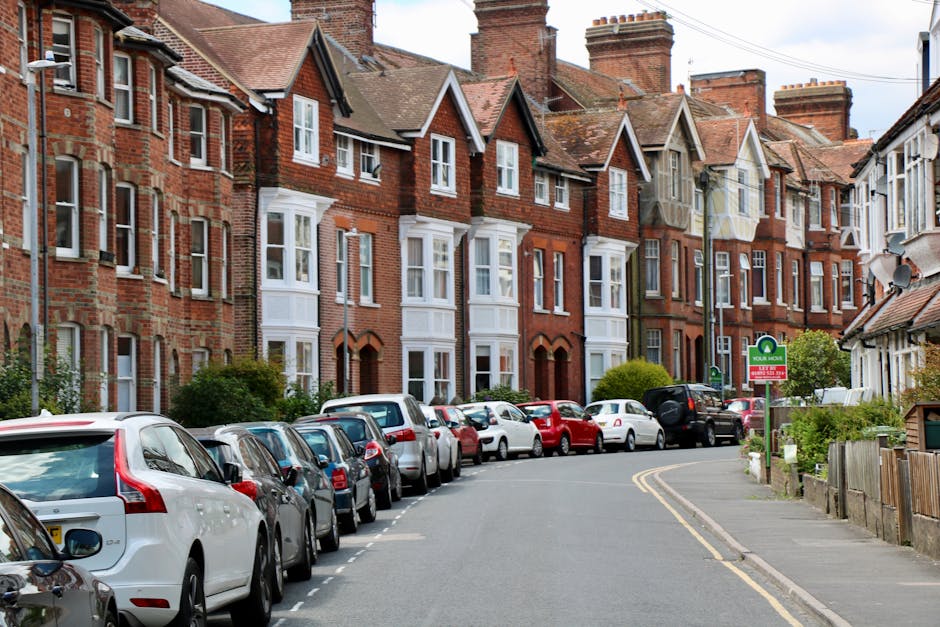
If you are planning a move in Chessington, parking can become the part of the day that either runs smoothly or causes avoidable stress. The van is loaded, the boxes are ready, and then you realise the space outside the property is tighter than expected, the bay is suspended, or a neighbour has already parked across the best spot. This Kingston Council parking rules for Chessington removals guide is here to help you think ahead, reduce risk, and make moving day feel a lot less chaotic.
To be fair, most removals do not go wrong because of the lifting or the packing. They go wrong because of access. A few minutes spent checking parking restrictions, loading space, permit needs, and timing can save you a proper headache later. In Chessington, that matters especially around busy residential streets, flats, narrow roads, and homes with limited frontage. Here is a clear, practical guide that explains what to look for, how to plan, and how to keep your move compliant and calm.
- Why the parking rules matter
- How the parking rules work in practice
- Key benefits of planning parking early
- Who this guide is for
- Step-by-step moving-day guidance
- Expert tips for smoother access
- Common mistakes to avoid
- Tools, resources and recommendations
- Law, compliance and best practice
- Options and comparison table
- Real-world example
- Practical checklist
- Conclusion
- Frequently asked questions
Why Kingston Council parking rules for Chessington removals guide Matters
Parking rules matter because removals are time-sensitive. A moving crew is usually working to a schedule, and delays caused by poor parking can ripple through the rest of the day. If the vehicle cannot park close enough to the property, you get longer carrying distances, extra labour, more time on site, and a lot more chance of fatigue or damage. Even a small issue, like being forced to double-park for a moment, can create tension with traffic, neighbours, or enforcement officers.
Chessington has a mix of housing types, from family homes with driveways to flats, terraces, cul-de-sacs, and roads where parking is already under pressure. In those places, the difference between a tidy move and a messy one is often access planning. Are you moving from a ground-floor flat with no allocated space? Or a house on a street where everyone parks nose-to-tail by breakfast time? Those details change the whole job.
There is also the trust factor. A well-planned move looks professional. It shows the crew has thought about the street layout, the timing, and the practical constraints instead of assuming there will be room. That is especially reassuring if you are arranging home moves, flat removals, or a bigger family relocation where the van may need repeated loading and unloading.
How Kingston Council parking rules for Chessington removals guide Works
In plain English, parking rules for removals are about where a vehicle can stop, for how long, and under what conditions. The exact arrangements can vary depending on the road, the time of day, the bay type, and whether the space is controlled, unrestricted, or subject to local restrictions. For removals, the practical question is simple: can the moving vehicle legally and safely park close enough to the property to load or unload?
That may involve checking for resident bays, pay-and-display bays, yellow lines, loading restrictions, time-limited restrictions, or temporary suspensions. In some streets, you may also need to think about pavement access, dropped kerbs, and whether the vehicle can stand without blocking driveways, junctions, or sightlines. Sometimes the issue is not the rule itself but the reality of the street at 8:00 in the morning when school traffic and commuters are already building up. Truth be told, timing can be everything.
For a removals job, the planning usually happens in stages:
- Check the parking situation at both the old and new address.
- Decide where the van will stop for loading and unloading.
- Confirm whether a temporary suspension, permit, or alternative arrangement is needed.
- Plan the arrival window to reduce exposure to busy periods.
- Build in a backup option in case the first space is gone.
That sounds straightforward, and mostly it is. The tricky bit is that local streets rarely behave like a neat diagram. A road can look easy on a map and still be awkward in real life because of width, turning space, or parked cars. If you are using a bigger vehicle, such as a moving truck or a removal van, access planning becomes even more important.
Key Benefits and Practical Advantages
Getting parking right does more than avoid a ticket. It makes the entire move work better.
- Less carrying distance: The nearer the vehicle, the quicker and safer the loading process.
- Lower risk of damage: Fewer steps, fewer corners, fewer chances to knock walls, frames, or furniture.
- Better time control: The crew spends less time shuttling boxes up and down the street.
- Less stress for you: Moving day already has enough moving parts, frankly.
- Cleaner neighbourhood relations: No one likes a van blocking a driveway or sitting awkwardly across a turning point.
There is another benefit people sometimes overlook: parking planning helps protect the schedule for the rest of the week. If one move overruns because access is poor, it can affect storage handovers, property checkouts, or onward travel. That is why it is so helpful to line up the move with the right service level, whether that is removals, man with van support, or a more fully managed service through removal services.
Expert summary: the best parking plan is not the one that looks clever on paper. It is the one that makes the moving vehicle easy to reach, legal to stop, and simple to load without last-minute improvising.
Who This Is For and When It Makes Sense
This guide is useful for anyone moving to, from, or within Chessington where street parking may influence the move. That includes homeowners, tenants, landlords coordinating end-of-tenancy handovers, and businesses shifting stock or furniture. If the address sits on a busy road, a narrow residential street, or a location with limited off-street space, it makes sense to think about parking before you think about boxes. A little backwards, maybe, but very sensible.
It is especially relevant if you are:
- moving from a flat with no private bay
- relocating from a terraced street with heavy on-street parking
- moving bulky items such as wardrobes, sofas, or upright items
- arranging a same-day or short-notice move
- combining removals with storage drops or collections
- moving an office, studio, or small commercial space
If that sounds like your situation, a service like same-day removals can be useful when timing is tight, while storage may help if the parking window at either end is short and the move needs to be split into stages. For businesses, commercial moves and office removals have their own access pressures, especially where staff, deliveries, and public parking all collide at once.
Step-by-Step Guidance
Here is a practical way to handle parking for a Chessington move without overcomplicating it.
- Check the exact address layout. Look at whether the property has a driveway, shared forecourt, permit bay, or unrestricted street parking. If possible, view the street at the time of day you plan to move. Morning and afternoon can feel very different.
- Measure the access problem, not just the house. Ask yourself where a van can actually stand while doors open and trolleys move safely. A short distance can still be awkward if the van would block a turning point or sit too close to a junction.
- Decide how close the vehicle needs to be. Heavy furniture and packed boxes are much easier if the vehicle is close to the entrance. This is where good planning supports house removals and house removalists working efficiently.
- Confirm whether restrictions apply. Look out for time-limited bays, double yellow lines, loading-only periods, resident-only spaces, or signs that limit waiting. If a bay looks free, that does not automatically mean it is fair game.
- Allow for a backup space. Streets change quickly. One parked car can undo a perfect plan. Identify a second legal stopping point nearby, even if it means a slightly longer carry.
- Prepare the property itself. Keep hallways clear, protect floors if needed, and make sure the first load is ready to go. A tidy exit point helps enormously when the van arrives.
- Brief everyone involved. If family members, friends, or a removals team are helping, tell them where to park, which door to use, and who is responsible for keeping the route clear.
If you are moving a small load or just a few pieces, man and van support can be a practical fit. For larger or heavier items, especially if there are tight turns or stair carries, it may be better to work with a team used to handling more demanding access points. That might include furniture removals or, for single awkward items, furniture pick-up.
Expert Tips for Better Results
Some of the best moving-day wins are small ones. Not glamorous, just useful.
- Aim for the quietest part of the day. Early morning is often easier for parking and access, though you should still check local conditions. A street that is calm at 7:30 can feel very different by school-run time.
- Keep the first loading zone clear. Even if you have help from friends, make sure no one leaves boxes on the pavement while "just popping back in" to find the tape. It happens more than you would think.
- Use the shortest sensible carry route. A legal space that is a little farther away may still be better than a risky one directly outside the door.
- Choose the right vehicle size. Bigger is not always better. A vehicle that can actually fit the street often beats a larger one that has to circle awkwardly. If you are unsure, compare removal truck hire with a smaller van option.
- Protect the building as well as the furniture. Door frames, stair corners, and communal entrances are where many accidental scuffs happen. A little padding and steady lifting make a big difference.
One thing worth saying out loud: moving day is not the time to be "winging it". A tidy plan beats improvisation every time. That does not mean every detail has to be perfect. It just means you know the main risks before they become problems.
If you are arranging packing too, it can help to combine parking planning with packing and boxes or even packing and unpacking services, because the faster items are ready at the doorway, the shorter the vehicle has to remain in place.
Common Mistakes to Avoid
The same few mistakes tend to crop up again and again, and they are easy enough to avoid once you know what to look for.
- Assuming free parking means unrestricted parking. A bay can be free and still controlled.
- Forgetting the return trip. The outgoing property and the new property both need parking checks.
- Ignoring loading times. Some restrictions allow loading only in narrow circumstances, and that should never be guessed.
- Leaving the van plan until the day itself. By then, your options may be much worse.
- Blocking access "just for a minute". A minute can turn into a complaint, and that is rarely worth it.
- Using the wrong service for the job. A small move may suit removal van support, while a larger family move may need a fuller removal companies approach. Yes, that URL reads a little awkwardly, but the point stands.
Another one: people sometimes focus so much on packing the contents that they forget the outside of the property. It is a bit like polishing the boots and forgetting to look at the road. The street matters. A lot.
Tools, Resources and Recommendations
You do not need specialist equipment to plan parking well, but a few practical tools help.
- Phone photos: A quick picture of the street, signs, and available space can help everyone understand the situation later.
- Basic measuring tape: Handy for checking whether a vehicle can fit near a driveway, bay, or loading area.
- Notepad or moving checklist: Keep the parking plan alongside keys, meter readings, and final-box notes.
- Contact details for the move: Make sure the lead driver or crew member can be reached quickly if something changes.
For more structured support, many people prefer to pair parking planning with a broader removals package. If your move is residential, home moves may be the best fit. If it is a smaller property or upper-floor flat, flat removals can be more suitable. Students moving into shared housing often benefit from student removals, where speed and compact access tend to matter more than anything else.
And if you are clearing out furniture before the move, furniture removals and furniture pick-up can be a tidy way to reduce load on the day. Less stuff in the property usually means less time spent parked outside it. Simple, but effective.
Law, Compliance, Standards, or Best Practice
Parking for removals sits inside a wider framework of road safety, local parking controls, and common-sense courtesy. The important thing is not to guess. If a restriction applies, follow it. If a sign is unclear, treat it carefully. If the vehicle would block traffic, a driveway, a dropped kerb, or a pedestrian route, rethink the stop. That is both good practice and the responsible thing to do.
For moving companies, compliance is not only about avoiding penalties. It is about safe loading, safe access, and reducing risk to the crew and the public. That links closely with sensible handling procedures, vehicle safety, and insurance awareness. If you are comparing providers, it is worth looking at their health and safety policy and insurance and safety information. Those pages do not tell you everything about parking, of course, but they do show whether a company treats practical risk seriously.
It is also wise to understand the terms of your booking. Some removals arrangements place responsibility on the customer to secure parking, while others may include guidance or optional support. Checking the small print early is much better than arguing over it on the pavement at 9 a.m. That is not a fun conversation for anyone.
For businesses, the same best-practice logic applies when coordinating deliveries, office handovers, or weekend relocations. Good planning keeps staff, neighbours, and the building itself safer. If you need a larger or more formal move, a service such as office relocation services can be more appropriate than trying to improvise with a standard vehicle and no access plan.
Options, Methods, or Comparison Table
Different moves need different parking approaches. Here is a simple comparison to help you choose the most practical method.
| Option | Best for | Pros | Watch-outs |
|---|---|---|---|
| Direct outside-parking | Homes with safe, legal frontage space | Shortest carry, fastest loading | May not be possible on busy streets or with restrictions |
| Nearby legal street parking | Most residential moves | Flexible, often realistic | Longer carrying distance, needs a clear route |
| Driveway or private bay | Properties with dedicated space | Most convenient and controlled | Space may still be too tight for larger vehicles |
| Temporary loading arrangement | Moves with time pressure or restrictive streets | Can reduce stress where permitted | Needs careful checking and advance planning |
| Split move with storage | Moves where parking or access is limited | Reduces pressure on one day | Requires extra coordination and timing |
There is no universal best option. A compact flat move and a four-bedroom house move are completely different jobs. If the parking is awkward and the inventory is large, you may get a better result by combining a sensible vehicle choice with storage so the day is broken into manageable parts.
Case Study or Real-World Example
Imagine a couple moving from a first-floor flat in Chessington to a house a few streets away. On paper, the distance looks tiny. Easy, right? But the flat is on a road where parking fills quickly, the property has no driveway, and the entrance is shared with other residents. If the van turns up without a plan, it may end up circling the block while boxes wait by the door.
Instead, they check the street the day before, note a sensible backup space just around the corner, and keep the first load staged near the exit. The driver arrives at a quieter time, parks legally, and the team starts with the heavier items first. A wardrobe, a sofa, and several box stacks are loaded without fuss. At the new house, the same approach is repeated with a clear stretch of frontage. Nothing dramatic. No special trick. Just planning.
What changed? Not the furniture, not the team, not even the route. The difference was parking awareness. That sort of small decision is often what makes the day feel smooth instead of frantic.
Practical Checklist
Use this checklist before moving day. It is simple, but it works.
- Confirm the parking situation at both addresses.
- Check for resident bays, loading restrictions, yellow lines, or permit-only areas.
- Choose the best legal stopping point for the vehicle.
- Identify a backup space nearby.
- Keep driveways, gates, and entrances clear.
- Make sure boxes and furniture are ready near the exit.
- Confirm the vehicle size is appropriate for the street.
- Share the parking plan with everyone helping on the day.
- Review health, safety, and insurance information if using a professional crew.
- Allow a little extra time. Always helps.
If you are also coordinating a specialist item move, such as a piano or an awkward heavy item, plan the parking and the lifting together. A piano removals job, for example, is far less stressful when the vehicle is positioned properly and the route is clear from start to finish.
Conclusion
The short version is this: parking is not a side issue in a Chessington move. It is part of the move. If you treat it as an afterthought, you can end up with delays, stress, and awkward conversations in the street. If you plan it properly, the whole day usually feels more controlled, safer, and much less tiring.
For anyone dealing with a home move, flat move, office relocation, or a small same-day job, the smartest approach is always the same: check the street, keep the route clear, choose the right vehicle, and give yourself a backup. Not fancy. Just effective. And honestly, that is what most people want on moving day - fewer surprises, fewer knocks, and a smoother finish.
If you are still comparing your options, it may help to review pricing and quotes alongside the move plan, so the parking and access needs are thought through before the van arrives. A little preparation now can save a lot of shuffling later.
Get a free quote today and see how much you can save.
Sometimes the smallest bit of planning gives you the biggest sense of relief. That's the part people remember.
Frequently Asked Questions
Do I need a parking permit for removals in Chessington?
Not always. It depends on the street, the bay type, and the restrictions in place at the time of your move. Some locations may allow short-term loading or unrestricted parking, while others may require a permit, suspension, or different arrangement. It is best to check both addresses in advance rather than assuming the same rules apply everywhere.
Can a removal van stop on yellow lines while loading?
Sometimes loading may be permitted in limited circumstances, but you should never assume that yellow lines mean automatic access. The exact situation depends on the signage, the restriction, and the local conditions. If in doubt, treat it carefully and choose a legal alternative.
What is the best time of day for removals parking in Chessington?
Earlier in the day often works better because streets are usually quieter and spaces are easier to find. That said, every road is different. School run times, commuters, and local traffic can all affect availability, so check the street pattern before setting your schedule.
Should I reserve a parking space for moving day?
If a reservation or suspension is possible in your street, it can make the move much easier. Not every road will need this, but where parking is tight it can reduce stress and save time. A reserved space is often worth considering for larger moves or busy residential roads.
What happens if the van cannot park outside my property?
The move can still go ahead, but the carrying distance may be longer and the job may take more time. That can increase effort and the risk of minor damage. A backup parking plan nearby is usually the best solution.
Are Chessington flats more difficult for parking than houses?
Often, yes. Flats are more likely to have shared access, limited frontage, and competing parking demand. Houses can still be awkward, especially on terraced or heavily parked streets, but flats commonly need a bit more planning around access and loading space.
Do professional movers handle parking for me?
Some do, at least in part, but it depends on the booking and the service. It is wise to ask in advance who is responsible for securing space, checking restrictions, and planning access. Clear expectations prevent confusion later.
How can I make a removals day faster when parking is limited?
Stage your boxes near the exit, keep walkways clear, and make sure the vehicle can park as close as safely and legally possible. If the move is large, using a stronger service such as removal services or a better-suited vehicle can help quite a bit.
Is it worth combining parking planning with storage?
Yes, if your move needs to be split or the access at one end is tight. Storage can reduce pressure and make the day easier to organise. It is particularly useful if you are moving out before the new place is fully ready.
What is the biggest mistake people make with parking during removals?
Leaving it too late. People often plan the packing, the van, and the keys, but not the space outside the property. Then the day arrives, and the easiest spot is already gone. A bit of planning beforehand saves a lot of stress.
Can small moves use a man and van service instead of a larger vehicle?
Yes, absolutely. For lighter loads or smaller properties, a man and van setup can be a practical choice because it is often easier to position in tighter streets. For larger moves, a bigger vehicle may still be needed, but the street access should guide the decision.