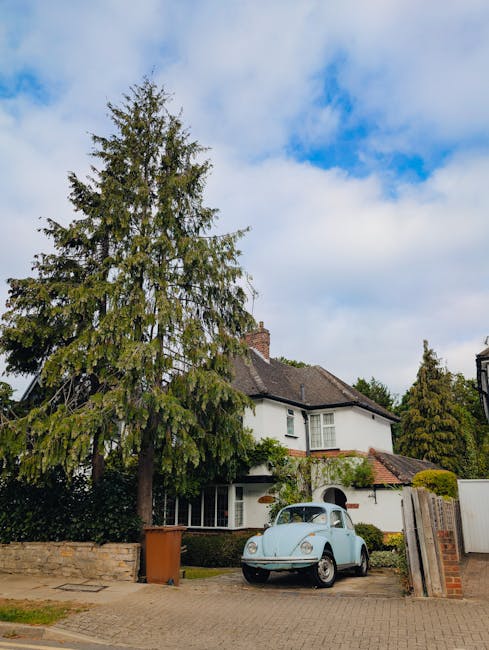
KT9 Removals Tips for Tight Driveways and Parking Limits
Moving house in KT9 can feel straightforward on paper, then suddenly the driveway is narrower than you remembered, the cul-de-sac is busy, and the closest legal parking space is a little too far away for comfort. That is exactly where good planning saves the day. These KT9 removals tips for tight driveways and parking limits are designed to help you move safely, keep stress under control, and avoid last-minute chaos when space is limited.
If your property has a tight entrance, low-hanging branches, awkward bends, or parking restrictions that make large vehicles tricky, you are not alone. It is a common issue across residential parts of KT9 and nearby streets. The good news? A move does not need to become a puzzle. With the right preparation, the right vehicle, and a sensible loading plan, even a cramped access route can work surprisingly well. Truth be told, the smoothest moves usually come from boring-sounding details done properly.
This guide walks through what matters, how the process works, what to watch out for, and how to make sensible decisions if you are comparing moving options or planning a house removal in Chessington and the surrounding area.
Table of Contents
- Why tight driveway and parking planning matters
- How a move is managed when access is restricted
- Key benefits and practical advantages
- Who needs this approach and when it makes sense
- Step-by-step guidance for a smoother move
- Expert tips for better results
- Common mistakes to avoid
- Tools, resources and recommendations
- Law, compliance and best practice
- Options and methods compared
- Real-world example
- Practical checklist
- Conclusion
- Frequently asked questions
Why KT9 removals tips for tight driveways and parking limits Matters
A move can go wrong long before the first box reaches the van. In KT9, access issues often show up in three places: the driveway, the road outside, and the route from the front door to the vehicle. If any one of those is tight, the whole job slows down. A van may need to park further away, reverse carefully into a limited space, or unload in stages. That adds time, effort, and risk.
Parking limits matter because a removals vehicle is not just a car with a bigger boot. It needs space to stop safely, load without blocking traffic, and leave room for doors, ramps, or trolleys. On a narrow street, poor planning can lead to frustrated neighbours, awkward manoeuvres, or a rushed move that scratches furniture or damages walls. Not ideal. Nobody wants to start moving day with a dent in the skirting board.
There is also a practical cost angle. If access is difficult and the team has to walk items further or make repeated trips, the job may take longer. That does not always mean a disaster, but it does mean the move should be planned honestly from the start. A clear conversation about driveway width, parking availability, and vehicle size is worth far more than optimistic guesswork.
For people arranging a full home move, these access checks fit naturally alongside other preparation tasks such as decluttering before the move and choosing the right packing approach with practical packing advice. Small jobs, big effect.
How KT9 removals tips for tight driveways and parking limits Works
In simple terms, a restricted-access move works by reducing friction before moving day. You identify the access problem early, choose the right vehicle and team approach, then make sure the route from property to van is as clear as possible. If the van cannot sit directly outside, the move is still possible; it just becomes a logistics exercise rather than a straight lift-and-load.
Most good planning starts with measurements. The most useful ones are not glamorous, but they are the ones that save time:
- Driveway width at the narrowest point
- Gate width and height clearance
- Distance from the front door to the nearest legal parking space
- Any sharp turns, steps, slopes, or uneven paving
- Whether the road is one-way, permit-controlled, or frequently congested
Once that is known, the mover can decide whether a smaller van, shuttle-style loading, staggered loading, or an early arrival is the better route. A man and van service in Chessington can often be useful where access is awkward and flexibility matters. For larger jobs, a more structured removal service may be the better fit, especially if there are bulky items or several rooms of furniture.
There is also the human side of it. I have seen a move run beautifully because the homeowner sent photos of the driveway the day before. I have also seen one stall for twenty minutes because nobody realised a delivery truck had boxed in the turning space. Same street, same house type, different outcome. That tiny bit of foresight really does change the day.
Key Benefits and Practical Advantages
Planning for tight driveways and parking restrictions is not just about avoiding headaches. It improves the whole move in ways that are easy to overlook until you are actually doing it.
- Less wasted time: The crew spends less time repositioning vehicles or carrying items further than expected.
- Lower risk of damage: Fewer awkward turns and fewer rushed lifts mean fewer knocks to walls, doors, and furniture.
- Better neighbour relations: A tidy, thoughtful setup reduces obstruction and keeps everyone calmer.
- Smarter vehicle choice: You can match the van size to the access conditions instead of forcing a one-size-fits-all plan.
- More accurate quotes: The more precise the access details, the more realistic the estimate tends to be.
There is another benefit that does not get said enough: reduced mental load. When you know the access has been thought through, your mind can focus on the actual move instead of worrying about whether the vehicle will fit. That sounds small, but on moving day it can be a huge relief. Moving is enough of a juggle already.
If you are moving furniture, beds, or fragile items, the gain is even bigger. Tight access can be managed, but only if it is planned around the item sizes and the carrying route. For example, a sofa move often goes better when you check the corners and stair turns in advance, which is why guides like sofa storage and handling advice can be surprisingly useful even before moving day.
Who This Is For and When It Makes Sense
This approach is especially useful if you are:
- moving from a home with a narrow or shared driveway
- living on a street with permit rules or limited on-street parking
- in a flat, maisonette, or terraced property with awkward access
- moving bulky furniture, appliances, or specialist items
- arranging a same-day move where timing matters
- unsure whether a full removals van can park close enough to the property
It also makes sense if you are moving as a student and trying to keep the job simple, or if you are doing a smaller move and only need a flexible vehicle close to the property. In those cases, a student removals service in Chessington or a smaller van-based arrangement may be more practical than a bigger setup that simply cannot access the street well.
Sometimes the issue is not the driveway at all. It is the timing. A space that seems fine at 8:00 a.m. can be blocked by 9:30 a.m. by visitors, bins, or local traffic. If the road outside tends to fill quickly, an early start can make all the difference. The quieter the street, the easier the move. Simple as that.
Step-by-Step Guidance
Here is a practical way to handle tight access without turning the whole day into a scramble.
- Measure the access properly. Check driveway width, gate clearance, and turning space. Do not eyeball it from the doorstep and hope for the best.
- Take photos from multiple angles. Include the approach from the road, any bends, steps, and the distance to where a van could legally stop.
- Identify parking restrictions. Look for permit zones, single yellow lines, loading restrictions, dropped kerbs, or access for residents only.
- Clear the route inside and outside. Move bins, bikes, plant pots, and loose garden furniture. Inside, open doors and remove clutter from hallways.
- Choose the right vehicle size. A slightly smaller van may be more efficient than a larger one that cannot park safely or turn in the street.
- Pack with access in mind. Put essentials, heavy boxes, and awkward items where they can be lifted cleanly. Use proper packing and boxes guidance so items are secure and stackable.
- Plan the loading order. Put large furniture, white goods, and flat items in the best sequence so the team is not constantly reshuffling.
- Allow time for a slower walk. If the van cannot stop outside the front door, expect extra carrying time. That is normal.
- Keep a parking backup plan. Know the nearest legal alternative space in case the first one is taken when the van arrives.
- Confirm the plan the day before. A quick call or message about access, timings, and any new obstacles is worth doing.
If you are moving anything unusually heavy, such as a piano or large cabinet, extra planning becomes non-negotiable. A dedicated service like piano removals in Chessington exists for a reason. Those items are awkward enough even when the van is parked perfectly. In a tight street, you want every bit of help you can get.
Expert Tips for Better Results
Small improvements make a big difference in restricted-access moves. These are the habits that tend to separate a smooth job from a stressful one.
1. Use photos, not guesswork
A photo of the driveway, gate, and road outside gives more useful context than a brief description. Include something for scale if you can. A wheelie bin, a car, or even the front door helps the mover estimate space more accurately.
2. Prioritise the heaviest or most awkward items
When parking is limited, you want to reduce the number of times bulky items need to be carried. Sofa first? Bed frame first? It depends on the layout of the property and the truck, but the aim is the same: make the loading route efficient. If you are moving sleep furniture specifically, our bed and mattress moving guide is a useful read.
3. Protect the access route itself
Driveways and front steps get slippery faster than people expect, especially if it has drizzled overnight and the paving is smooth. A quick sweep, a dry mat, and good lighting help a lot. I know, not exactly thrilling advice. Still, it works.
4. Build in a buffer for neighbours and traffic
Even a perfectly organised plan can be slowed by a van already parked in the way or a delivery arriving at the wrong moment. Leave a little slack in the timetable. The move will feel calmer, and you are less likely to rush the fragile bits.
5. Think about unloading at the destination too
Sometimes the outgoing property is awkward, but the new one is just as tricky. If both sides have limited parking or narrow access, ask for a plan that works for both ends. It is no good solving the pickup if the drop-off becomes the new problem.
For more reassurance around safe handling, the company's insurance and safety information is worth checking before the move. That helps you understand how a professional team approaches protection for belongings and property. Trust matters here.
Common Mistakes to Avoid
Most access problems are preventable. The main thing is not to let the pressure of moving day make you skip the obvious checks.
- Assuming the van will fit: It might, or it might not. Measure first.
- Forgetting parking restrictions: A place that looks available may not be legal for loading.
- Leaving bins, cars, or plant pots in the way: These little obstacles matter more than people think.
- Not telling the mover about a slope or sharp turn: These details can affect vehicle choice and unloading time.
- Packing everything before checking access: If large items need to be moved out a certain way, you want to know that early.
- Trying to squeeze in a bigger vehicle for convenience: Bigger is not always better. Sometimes it is simply harder to manage.
One of the more frustrating mistakes is the assumption that "someone will sort it on the day." Maybe, but why gamble? A five-minute parking check can save an hour of confusion. And yes, it can save a few frazzled nerves too.
Tools, Resources and Recommendations
You do not need a van full of fancy kit to manage a tight-access move, but a few practical tools make life much easier.
| Tool or resource | Why it helps | Best used for |
|---|---|---|
| Measuring tape | Checks driveway, gate, and furniture dimensions accurately | Planning vehicle size and item routes |
| Phone photos/video | Shows the real layout and access issues | Quoting and pre-move assessment |
| Furniture blankets and straps | Protects items during narrow carries and loading | Sofas, tables, cabinets, and white goods |
| Trolley or sack truck | Reduces heavy lifting where the route allows it | Boxes, appliances, and multiple short trips |
| Parking permit info | Helps avoid unlawful stopping or delays | Urban streets and controlled parking zones |
Useful supporting reading can also make the whole move easier. For example, this guide to a stress-free house transition is a good companion piece if you are organising a bigger relocation. If you are trying to keep costs under control, it is also sensible to review pricing and quote information early rather than waiting until the week of the move.
And if you are storing anything before or after moving day, maybe because access is tight and the move has to be split into phases, storage options in Chessington can be a sensible safety valve. Not glamorous, but sometimes incredibly useful.
Law, Compliance, Standards, or Best Practice
For moves involving tight driveways and parking limits, the key compliance point is usually not complicated legal language. It is about acting safely and legally. In practical terms, that means parking where you are allowed to park, not blocking access routes, and avoiding unsafe loading that could put people or property at risk.
Local parking rules can vary by street and by council area, so it is wise to check the signage on the day rather than rely on memory. If a loading bay, permit, or time restriction applies, it should be treated seriously. The same goes for footpaths, dropped kerbs, and access needed by neighbours or emergency services. Small access problems can become bigger if a vehicle is left in the wrong place. Best avoid that entirely.
Professional movers should also work with sensible handling and safety practices. That includes using suitable equipment, not overloading a person beyond what is reasonable, and keeping a clear route wherever possible. If you want a better sense of how a reputable team thinks about this, the company's health and safety policy and about us page are worth a look. It is always reassuring to know how a business handles care, risk, and responsibility.
Where a move becomes unusually complex, or if access issues create a risk of damage, it is sensible to discuss the setup in advance rather than making assumptions. That is not overcautious. It is just smart.
Options, Methods, or Comparison Table
There is more than one way to handle a move with tight access. The right choice depends on the street, the volume of belongings, and how far items must be carried. Here is a straightforward comparison.
| Method | Best for | Strengths | Limitations |
|---|---|---|---|
| Large removals van parked close by | Properties with enough access and legal parking | Fast loading, fewer trips, efficient for bigger jobs | Not suitable where streets are narrow or parking is restricted |
| Smaller van or man and van | Terraces, tight drives, single-room moves, flexible relocations | Easier to position, less likely to block access | May require more trips or less total capacity |
| Shuttle loading | Where the van must park further away | Works even with difficult parking, keeps things legal | Slower and more physically demanding |
| Split move with storage | Complex access, delayed completion, or staged moves | Reduces pressure on moving day, gives extra flexibility | Requires additional planning and possibly extra handling |
If you are moving a flat, parking and access can matter even more than floor level. That is one reason a flat removals service can be a better fit than a generic move arrangement. Likewise, a more targeted option such as furniture removals can make sense if you are only moving selected items and not a whole household.
Case Study or Real-World Example
Imagine a two-bedroom terraced home in KT9 with a narrow front driveway and parking on the street only. The homeowner has a sofa, a dining table, several boxes, and a bed frame to move. At first glance, the driveway looks usable. Then the family car, the neighbour's van, and a low wall make the turning space awkward. The van cannot sit squarely on the drive without risking a scrape.
Instead of forcing the issue, the moving plan changes. The van arrives early, before the road gets busy. The homeowner clears the path from front door to pavement and keeps boxes grouped by room. The largest items are loaded first. A second person checks the street for a legal stopping position, and the team avoids blocking the narrow access for too long. The move takes a bit longer than a perfect driveway scenario, but it stays calm and safe.
That is really the point. Tight access does not have to mean a bad move. It just means the plan needs to fit the street, not the other way round. Simple, practical, done properly.
Practical Checklist
Use this checklist a day or two before moving day. It is the kind of list that saves you from the annoying little things people only notice at the last minute.
- Measure driveway, gate, and key access points
- Take clear photos of the front of the property and road
- Confirm parking restrictions and permit requirements
- Tell the mover about slopes, steps, turns, or low branches
- Move cars, bins, bikes, and obstacles out of the way
- Keep hallways and entrances clear for carrying items
- Separate fragile items and label boxes clearly
- Check whether a smaller van would be easier than a large one
- Plan the loading order for bulky furniture first
- Have a backup parking plan if the first space is taken
- Confirm arrival time and access details the day before
- Consider storage if the move needs to be split into stages
One more thing: if you are still deciding whether to handle the move yourself or bring in help, it can be useful to compare the risks honestly. For heavier or awkward loads, advice like how to lift heavy items more safely may help you understand what is involved. But if the access is tight and the furniture is big, a professional crew is often the calmer option.
Conclusion
Tight driveways and parking limits do not have to derail a move in KT9. They just require a more thoughtful approach. Measure early, share clear photos, choose the right vehicle, and plan the parking before moving day rather than during it. Those steps may sound plain, but they are the difference between a stressful scramble and a job that feels controlled.
If your move involves a narrow entrance, a restricted street, or bulky furniture that needs careful handling, the best next step is to get the access reviewed alongside the rest of the move details. That way, the quote, the vehicle choice, and the timing all make sense together. And honestly, that is how a good move should feel: planned, steady, and manageable.
Get a free quote today and see how much you can save.
Frequently Asked Questions
How do I know if my driveway is too tight for a removals van?
If the van would need to reverse awkwardly, block the pavement, or leave very little room to open doors and load safely, the driveway is probably too tight for a straightforward stop. Measure the narrowest points and share photos so the mover can judge properly.
Can a removals company still help if parking is restricted outside my house?
Yes. A good removals team can often work with a nearby legal parking spot, shuttle loading, or a smaller vehicle. The key is to explain the restriction early so the crew can plan around it.
What should I tell the mover before moving day?
Tell them about driveway width, gate access, steps, slopes, low branches, permit zones, and any known parking limits. If something feels obvious to you, mention it anyway. It may not be obvious to someone arriving for the first time.
Is a smaller van better for tight KT9 streets?
Often, yes. A smaller van can be easier to park, turn, and position safely in narrow streets or compact drives. It may require extra trips, but that can still be more efficient than forcing a larger vehicle into a difficult space.
How early should I sort out parking for moving day?
As early as you can. For simple streets, a day or two might be enough for planning. For permit-controlled or heavily parked roads, it is better to check well in advance and confirm the details again just before the move.
What if another car takes the parking space I planned to use?
Have a backup option ready. A nearby legal alternative space, a different arrival time, or a smaller vehicle can all help. It is annoying, yes, but with a backup plan it does not have to derail the day.
Do I need special permission to park a removals van outside my property?
That depends on the road, local signage, and any parking controls in place. In some areas, loading is allowed for limited periods; in others, it is restricted. Check the signs and local rules rather than assuming it is fine.
How can I make moving furniture easier through a narrow path?
Clear the route fully, remove obstacles, and protect corners or walls where needed. Disassemble bulky items if practical, and load the heaviest furniture first so it is not being shuffled around at the end.
Is it worth using storage if the access is too awkward on the day?
Sometimes it is. If the move needs to be staged or there is a delay with parking or completion, storage can take pressure off the whole process. It is especially helpful when you are moving in parts or managing a complicated schedule.
How far in advance should I book for a tight-access move?
As soon as you know the date, ideally. Restricted access often needs a bit more planning than a standard driveway stop, so early booking gives everyone time to choose the right vehicle and timetable.
What are the biggest mistakes people make with parking limits on moving day?
The most common mistakes are not checking the restrictions, underestimating how much space the van needs, and failing to clear the route. Another common one is forgetting to mention a slope or awkward turn. Those little details matter a lot more than people expect.
Can I get help with both the move and the access planning?
Yes. That is often the best approach. If you contact the team early, they can review the access, suggest the right vehicle, and help you decide whether a larger removals service or a more flexible van-based option makes more sense. If you are ready to talk things through, you can always get in touch here.